Your Complete Guide to Wound Care: Steps for Effective Healing

Wound care is a critical aspect of health management that contributes significantly to effective healing and recovery. Proper wound care not only helps prevent infections but also facilitates quicker and healthier healing processes. Understanding the different types of wounds and how to care for them can make a significant difference. In this comprehensive guide, we’ll explore essential tips and steps for successful wound care.
Understanding Wounds
Wounds can be classified into several categories, including acute wounds such as cuts and abrasions, and chronic wounds that might take longer to heal, like pressure ulcers. Proper wound management is crucial for preventing infections and promoting healing. Different wounds require tailored approaches to care.
Types of Wounds
Common types of wounds include:
- Cuts: These are breaks in the skin that can vary in depth.
- Abrasions: Superficial injuries that usually affect only the epidermis.
- Pressure Ulcers: Often associated with prolonged pressure, particularly in bedridden patients.
Each type of wound needs a specific care approach, emphasizing the importance of understanding wound care nursing practices. Wound nurses specialize in assessing and treating wounds, ensuring appropriate management tailored to the wound type.
Step-by-Step Wound Care Process
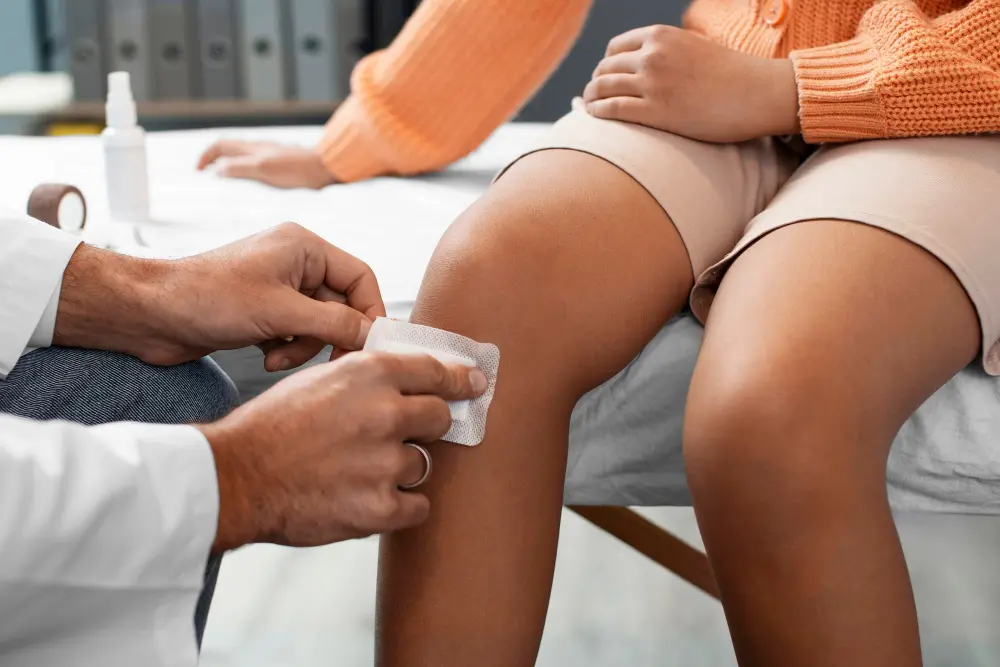
Effective wound care is essential for recovery and can significantly reduce the risk of complications. Here’s a detailed, step-by-step approach to ensure proper care of wounds, along with everyday tips to make the process smoother.
Cleaning the Wound
Cleaning a wound effectively is the first crucial step in wound care. Here’s how to do it:
- Gather Materials: You’ll need sterile saline solution, gauze pads, gloves, and any additional supplies that your healthcare provider recommends.
- Perform Hand Hygiene: Wash your hands thoroughly before touching the wound and put on nonsterile gloves.
- Remove the Old Dressing: Carefully peel back the old dressing, ensuring you do not disturb the wound unnecessarily. If it sticks, moisten it slightly with saline.
- Inspect the Wound: Look for signs of healing or signs of infection, such as redness, swelling, or unusual drainage—particularly, sanguineous drainage color changes can indicate issues.
- Irrigate the Wound: Use sterile saline to gently clean the wound. This helps remove debris and bacteria while keeping the tissue healthy.
- Assess and Document: Look for uniform closure of the wound edges and absence of drainage before moving on to applying a new dressing.
Regular cleaning can minimize infection risk and promote healing. Remember to wash your hands again after completing the process.
Applying Dressings
Choosing and applying the correct dressing is key to wound care.
- Select the Right Dressing: Depending on the type and depth of the wound, choose a dressing that promotes a moist environment. Options include foam dressings for absorbing exudate or hydrocolloid dressings for protection.
- Apply the Dressing: Place the new dressing gently over the clean wound, ensuring it covers all exposed tissue without causing excess pressure.
- Secure the Dressing: Ensure the dressing is secure but not too tight, as this can compromise circulation. You can use tape or additional bandaging as necessary.
The right dressing helps protect the wound from outside contaminants while allowing for moisture and healing. Regularly check the dressing for signs of infection or moisture buildup.
Signs of Infection and Complications
There are several symptoms to watch for when it comes to infection:
- Redness or Swelling: If the area around the wound becomes increasingly red or swollen, it may indicate an infection.
- Pain or Tenderness: Increased pain, especially during dressing changes, is a critical sign.
- Unusual Drainage: Look out for purulent (thick, opaque) drainage, which can indicate infection. Clean fluid might be normal, but yellow, green, or foul-smelling drainage may signal a problem.
If you notice any of these symptoms, document them and consult a healthcare provider for further instructions.
Conclusion
Effective wound care is essential for preventing infections and promoting recovery. Understanding the types of wounds—such as cuts, abrasions, and pressure ulcers—and the healing phases is crucial. Proper wound management involves cleaning the wound, applying a suitable dressing, and monitoring for infection signs, like redness and unusual drainage.
Special attention is needed for diabetic wounds and pressure ulcers, requiring regular monitoring and repositioning of patients. Professional guidance is paramount for non-healing wounds, and continuous education for healthcare providers enhances patient outcomes. By incorporating these strategies, individuals and caregivers can ensure effective wound healing and foster a successful recovery process.